Physical Address
304 North Cardinal St.
Dorchester Center, MA 02124
Physical Address
304 North Cardinal St.
Dorchester Center, MA 02124

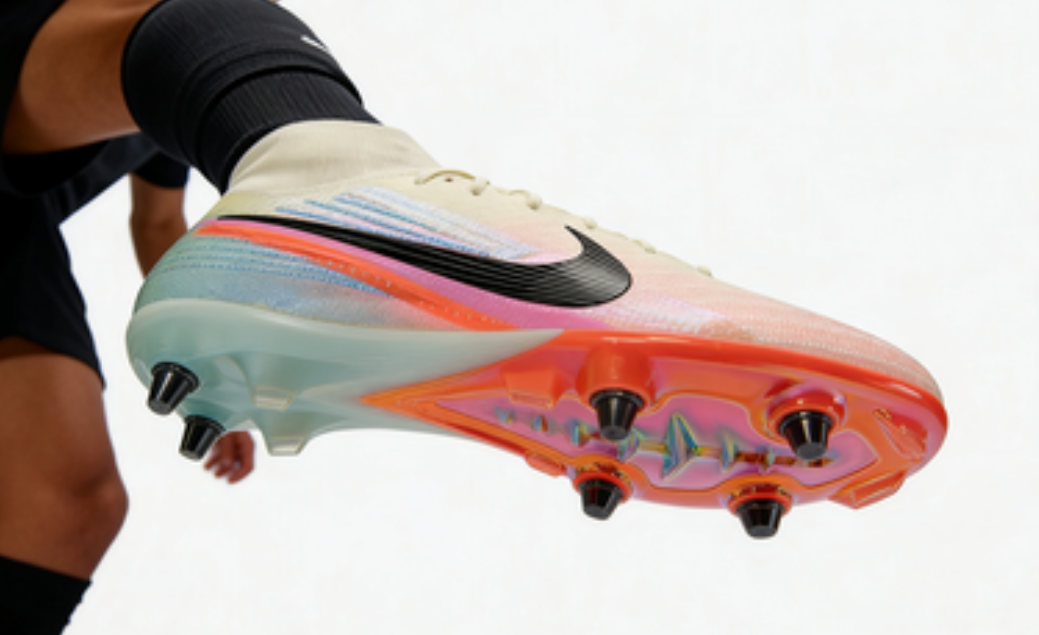
Speed in football is often misunderstood as simply running fast in a straight line, but in reality, it is much more complex than that. Modern football boots designed for speed are engineered to improve acceleration, responsiveness, and movement efficiency rather than just raw sprinting velocity. Players rarely run more than 20 meters at full speed in a match, which means that explosive first steps and rapid changes of direction are far more important than top-end speed.
The latest generation of speed-focused football boots reflects this shift in understanding. Brands like Nike have developed designs that prioritize energy transfer, lightweight construction, and a closer connection between the foot and the ball. These elements work together to create a boot that feels like an extension of the player’s body, allowing movements to be executed with minimal delay. The result is not just faster running, but more efficient movement across all aspects of the game.
One of the most noticeable features of speed boots is their lightweight construction. While it might seem obvious that lighter boots help players move faster, the real benefit lies in reducing fatigue over the course of a match. Every step taken in heavier footwear requires slightly more energy, and over ninety minutes, this difference becomes significant.
During real match testing, players consistently reported that lightweight boots helped them maintain their intensity for longer periods. A winger explained that he felt more capable of making repeated sprints late in the game, which is often when matches are decided. This advantage is not just physical but also psychological, as players feel more confident pushing their limits when they are not weighed down by their equipment.
However, achieving a lightweight design without compromising durability or support is a challenge. Modern boots use advanced synthetic materials that are both strong and flexible, allowing manufacturers to reduce weight while maintaining performance. This balance is a key factor in what makes a speed boot truly effective.
The soleplate is one of the most important components of any football boot, particularly when it comes to speed. In the latest designs, the soleplate is engineered to maximize energy return, helping players convert downward force into forward motion more efficiently. This is especially noticeable during the first few steps of a sprint, where acceleration is most critical.
In practical terms, a well designed soleplate creates a responsive feel underfoot, allowing players to push off the ground with greater efficiency. A forward who tested several speed boots noted that he felt a slight “snap” when accelerating, as if the boot was helping to propel him forward. While this effect is subtle, it becomes more apparent during repeated sprints and high intensity moments.
Another important aspect of soleplate design is flexibility. A rigid plate can provide stability, but too much stiffness can restrict natural movement. Modern speed boots strike a balance by offering targeted flexibility in key areas, allowing for both support and freedom of motion.
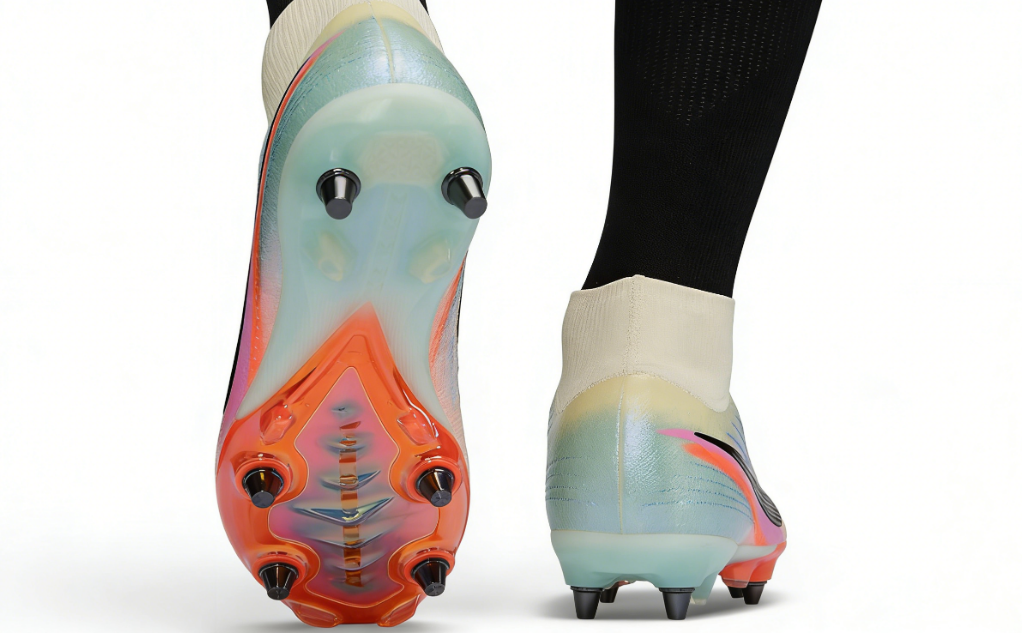
Traction plays a crucial role in how quickly a player can accelerate and change direction. The arrangement and shape of the studs determine how effectively the boot interacts with the playing surface. In speed boots, the focus is on providing grip without limiting movement.
The latest stud configurations often combine different shapes and angles to optimize performance. For example, angled studs can improve forward acceleration, while more rounded studs allow for smoother rotational movements. This combination helps players maintain control during rapid changes of direction, which is essential in modern football.
During testing on natural grass, players reported that these advanced stud patterns provided a strong sense of grip without feeling overly aggressive. This balance is important because excessive traction can actually hinder movement by making it harder to pivot or adjust quickly. A midfielder explained that he felt more confident making sharp turns because the boots allowed him to move naturally without slipping.
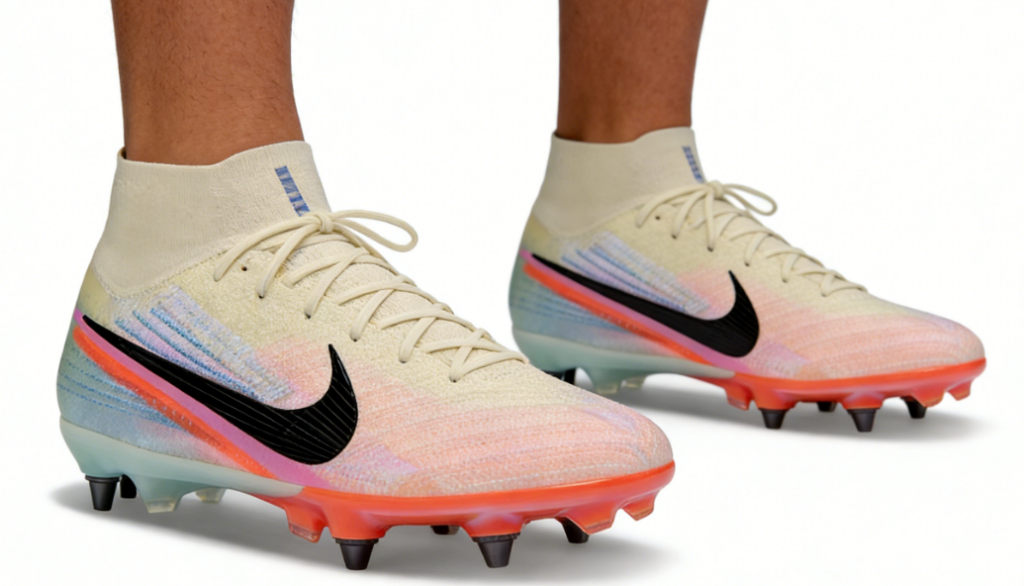
While the soleplate and studs are critical for movement, the upper material plays an equally important role in how the boot performs. In speed boots, the upper is typically thin and highly responsive, allowing for a closer connection between the foot and the ball.
This design enhances both speed and control. A thinner upper reduces weight and improves touch, enabling players to interact with the ball more precisely at high speeds. During testing, players noted that they could dribble more effectively without needing to slow down, as the boot provided a direct and predictable feel.
However, this responsiveness comes with a trade off. Thinner materials offer less cushioning, which means that players must rely more on technique to control the ball. For experienced players, this is often an advantage, as it allows for greater precision. For beginners, it may require an adjustment period.
One of the most overlooked aspects of speed boots is the fit. A secure fit ensures that the foot remains stable inside the boot, allowing for efficient energy transfer during movement. Any internal slippage can reduce responsiveness and increase the risk of injury.
Modern speed boots are designed to provide a snug, almost second skin fit. This is achieved through advanced construction techniques that wrap the upper around the foot, creating a secure and comfortable feel. A player who tested the latest models described the fit as “locked in,” noting that his foot felt completely connected to the boot.
While this tight fit enhances performance, it may not suit everyone. Players with wider feet may find some speed boots too restrictive, which can affect comfort and performance. Choosing the right fit is therefore essential when selecting a speed focused boot.
The true test of any football boot is how it performs in real match conditions. During competitive play, speed is not just about running fast but also about reacting quickly, changing direction, and maintaining control under pressure.
Players who tested the latest speed boots consistently reported improvements in their ability to accelerate and react. A winger explained that he felt more confident taking on defenders, as he could change direction quickly without losing balance. A defender noted that he was able to recover more effectively after making a challenge, thanks to the improved traction and responsiveness.
These real world experiences highlight the importance of choosing a boot that complements your playing style. Speed boots are not just for attackers, as they can benefit any player who relies on quick movements and rapid decision making.
One of the key considerations when choosing a speed boot is durability. The lightweight materials used in these boots are designed for performance, which can result in reduced longevity compared to heavier models.
During extended use, players often notice signs of wear in high stress areas such as the forefoot. However, many players are willing to accept this trade off in exchange for improved performance. A regular player explained that he preferred the responsiveness and agility of speed boots, even if it meant replacing them more frequently.
This trade off reflects a broader trend in modern football, where performance is often prioritized over durability. For players who train and compete regularly, the benefits of a high performance boot can outweigh the cost of more frequent replacements.
Speed boots are best suited for players who rely on quick movements and explosive actions. This includes wingers, forwards, and attacking midfielders who frequently engage in sprints and one on one situations. However, they can also benefit defenders and full backs who need to react quickly and cover large distances.
Players who prioritize comfort or durability over performance may prefer other types of boots. Speed boots are designed to enhance specific aspects of the game, and their effectiveness depends on how well they match the player’s style and needs.
Choosing the best football boots for speed is not about finding the lightest or most expensive option. It is about understanding how different features contribute to performance and selecting a boot that aligns with your playing style.
The latest designs, influenced by brands like Nike, focus on improving acceleration, responsiveness, and efficiency. These elements work together to create a boot that enhances movement and allows players to perform at their best.
Ultimately, the best speed boot is the one that feels natural on your foot and supports your game. When the right combination of fit, traction, and responsiveness comes together, the difference is not just noticeable but game changing.
If you’re looking for more options, explore our Best Football Boots guide.