Physical Address
304 North Cardinal St.
Dorchester Center, MA 02124
Physical Address
304 North Cardinal St.
Dorchester Center, MA 02124

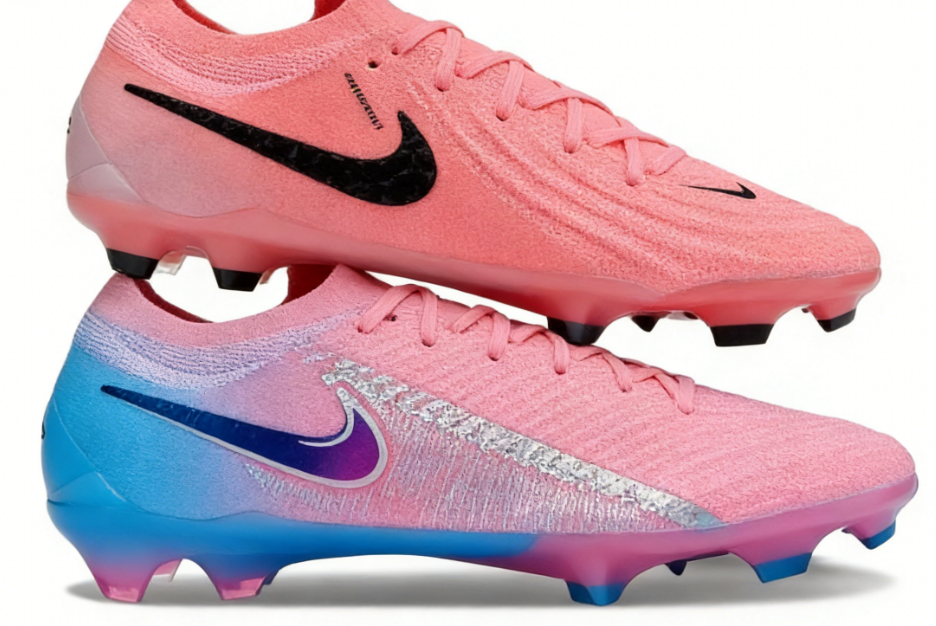
When it comes to elite football boots, Nike offers two distinct philosophies through its flagship silos: the Mercurial and the Phantom. The Mercurial line has long been synonymous with pure speed—designed for explosive players who prioritize lightweight construction and a barefoot feel. The Phantom series, on the other hand, champions control and precision, catering to playmakers who demand exceptional ball manipulation and strike zone optimization. With the release of the latest iterations—the Mercurial Vapor 16 and the Phantom GX 2—Nike has refined both platforms to an unprecedented degree. This comparison breaks down the key differences between these two elite offerings, examining design, fit, performance characteristics, and target audiences to help you determine which boot aligns with your playing style.
The fundamental distinction between the Mercurial and Phantom lines lies in their core design philosophies. The Nike Mercurial family, represented most prominently by the Vapor 16, is engineered for speed. Every element of the boot—from the ultra-thin upper to the lightweight soleplate—is optimized to reduce weight and enhance acceleration. The Mercurial is designed for players who live on the margins of the game: wingers making overlapping runs, strikers chasing through balls, and full-backs tracking back at full sprint. These players prioritize minimal interference between foot and boot, valuing responsiveness over cushioning and protection.
In contrast, the Nike Phantom series—with the latest Phantom GX 2 serving as its flagship—is built around the concept of control. The Phantom is designed for playmakers, central midfielders, and technically gifted attackers who rely on precise passing, close ball control, and well-placed finishes. Rather than stripping away material to save grams, the Phantom adds strategic texture, cushioning, and strike zones to enhance the player’s connection with the ball. The Phantom GX 2 is not a boot that disappears on the foot; it is a boot that actively assists in ball manipulation, providing grip and feedback where it matters most.
Understanding these philosophical differences is essential before diving into technical specifications. The Mercurial Vapor 16 is a specialist tool for speed merchants, while the Phantom GX 2 is a specialist tool for technicians. Choosing between them begins with an honest assessment of your playing style: do you rely on explosive acceleration and frequent direction changes, or do you dictate tempo through crisp passing and intricate dribbling?
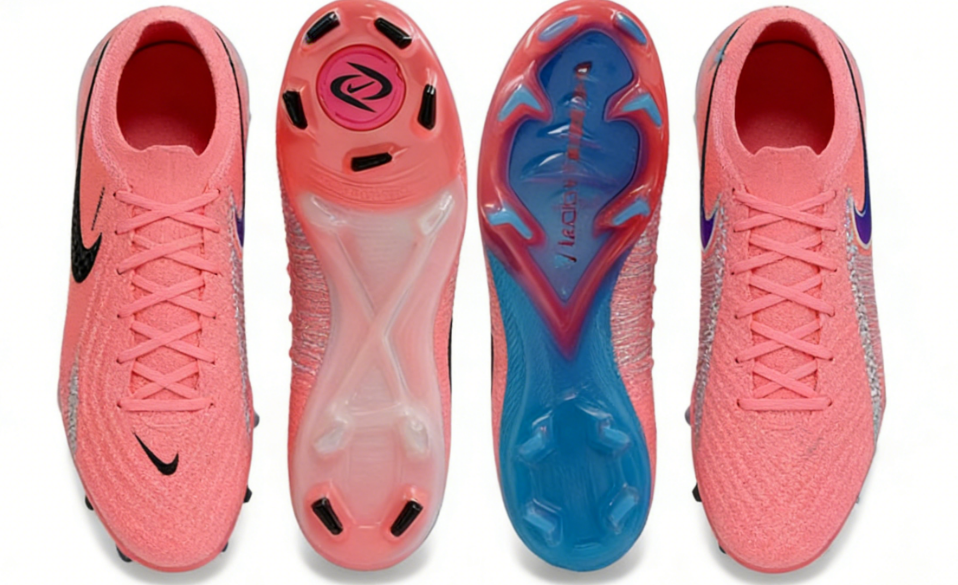
The most striking difference between the Mercurial Vapor 16 and the Phantom GX 2 lies in their upper materials and how they interact with the ball. The Mercurial Vapor 16 utilizes Nike’s Gripknit technology across a one-piece upper that covers the forefoot and midfoot. Gripknit is a soft, pliable material with a proprietary adhesive texture that enhances ball control in both wet and dry conditions. Importantly, the Gripknit on the Vapor 16 is exceptionally thin—measuring less than one millimeter in thickness in key areas. This thinness translates to an almost barefoot sensation when dribbling and receiving. Players who prioritize direct feedback and a minimalist feel will appreciate how the Vapor 16 allows them to sense the ball’s movement with remarkable clarity. However, this thin construction comes with a trade-off: minimal padding and limited protection against impacts.
The Phantom GX 2 takes a fundamentally different approach. Its upper features Nike’s Gripknit as well, but the implementation is distinct. On the Phantom GX 2, Gripknit is strategically applied across the strike zone—the instep and laces area—with a denser, more pronounced texture that actively grips the ball during passing and shooting. The material is also thicker than on the Vapor 16, providing additional cushioning and a more substantial feel. The Phantom GX 2 incorporates Nike’s Cyclone 360 technology, which consists of textured zones arranged in a swirling pattern around the forefoot and medial side. This texture is designed to enhance swerve and spin on the ball, giving playmakers greater control over the trajectory of their passes and shots. When comparing the two boots side by side, the Phantom’s upper feels noticeably more substantial and textured, while the Vapor’s upper feels almost like a second skin.
In terms of ball feel, the Vapor 16 excels at providing unfiltered feedback. Dribbling feels intuitive, and short passes are delivered with crisp directness. The Phantom GX 2, by contrast, prioritizes ball manipulation over pure sensation. When striking the ball with the instep—whether delivering a cross or curling a shot toward the far post—the Cyclone 360 texture provides tangible grip that helps generate spin. For players who take numerous set pieces or frequently play defense-splitting passes, this added texture translates to greater precision. However, players who prefer a clean, unadorned striking surface may find the Phantom’s textured upper distracting or overly aggressive.
Fit is another area where the Mercurial Vapor 16 and Phantom GX 2 diverge significantly. The Mercurial Vapor 16 maintains the narrow, performance-oriented fit that has defined the Mercurial line for generations. The boot is designed to hug the foot tightly through the midfoot and heel, with a low-cut dynamic fit collar that provides a secure lock without restricting ankle mobility. Players with narrow to medium foot profiles will find the Vapor 16 exceptionally stable, with zero heel slippage even during aggressive cuts. However, those with wider feet or high insteps will likely struggle with the Vapor’s narrow last. While the Gripknit material offers some stretch over time, the Vapor 16 is not forgiving for broader foot shapes, and players in this category may need to consider sizing up or exploring alternative models.
The Phantom GX 2 offers a more accommodating fit profile. While still designed for a performance-oriented lock, the Phantom GX 2 features a slightly wider toe box and a more forgiving midfoot than the Mercurial. The boot’s upper is constructed with a combination of Gripknit and a softer internal liner that conforms to a broader range of foot shapes. The Phantom GX 2 also retains the flyknit collar that wraps around the ankle, providing a sock-like fit that balances stability with comfort. Players with wider feet or those who prioritize all-day comfort over aggressive lockdown may find the Phantom GX 2 significantly more wearable out of the box, with minimal break-in time required.
Comfort over extended periods is another differentiating factor. The Vapor 16’s ultra-thin upper and minimal padding mean that players who engage in heavy physical duels—particularly midfielders who absorb contact—may feel more impact through the boot. The Phantom GX 2, with its thicker upper and additional cushioning around the heel and collar, offers better impact protection and a more plush interior. For players who compete on hard ground or artificial surfaces, the Phantom’s additional padding can make a noticeable difference in post-match foot fatigue.
The soleplate represents another critical point of comparison between these two boots, as it directly influences acceleration, stability, and injury risk. The Mercurial Vapor 16 features Nike’s new Tri-Star stud configuration, which replaces the previous Chevron and blade hybrid pattern. The Tri-Star studs are triangular in shape and arranged to provide multi-directional traction with a focus on explosive forward acceleration. During sprints and linear runs, the studs dig into the turf aggressively, providing exceptional grip that translates to rapid speed gains. In lateral movements, the studs release cleanly, reducing torque on the knees and ankles. This soleplate is optimized for firm natural grass and rewards players who prioritize straight-line speed and sharp cuts.
The Phantom GX 2 utilizes a different soleplate design that reflects its control-oriented philosophy. The stud pattern features a mix of conical and bladed studs arranged to provide stability during rotational movements—the kinds of movements central midfielders and playmakers execute when turning away from pressure or pivoting to play a pass. The conical studs in the forefoot allow for smoother pivoting, while the bladed studs in the heel provide braking stability when slowing down to receive a pass. The Phantom GX 2’s soleplate is slightly more flexible than the Vapor 16’s, accommodating the more varied movement patterns of players who cover the entire pitch rather than operating predominantly in explosive bursts.
For players who compete on artificial grass surfaces, both boots are available in dedicated Artificial Ground (AG) variants. However, the Phantom GX 2’s slightly more forgiving soleplate and thicker upper make it a more comfortable option for extended play on synthetic surfaces, where the Vapor 16’s aggressive stud pattern can create excessive pressure points.
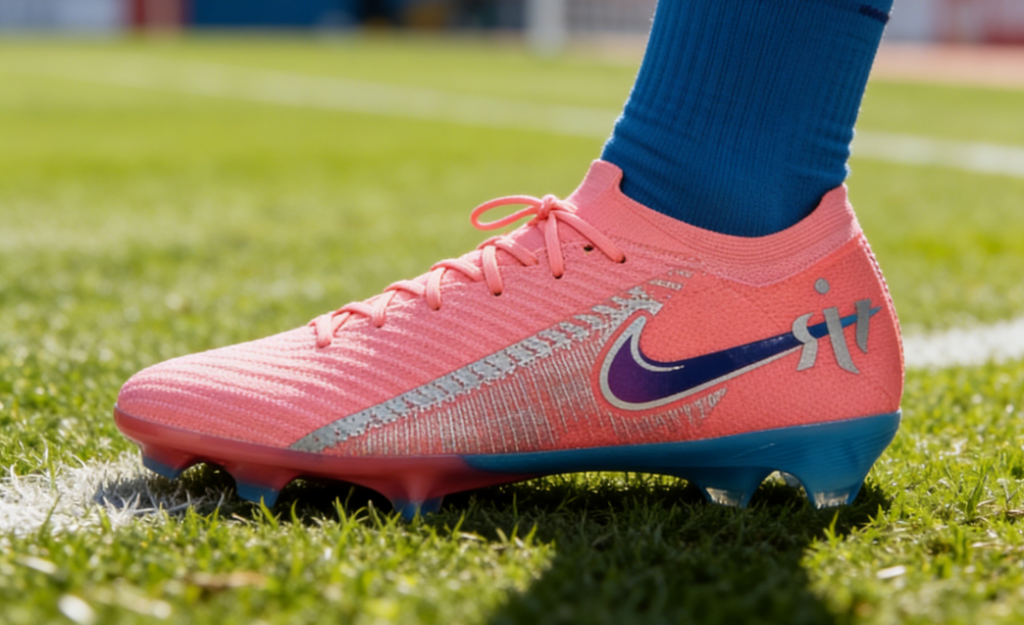
Choosing between the Mercurial Vapor 16 and Phantom GX 2 ultimately comes down to your position, playing style, and the demands of your typical match environment. The Mercurial Vapor 16 is ideally suited for wingers, strikers, and full-backs who rely on explosive acceleration and frequent directional changes. If your game is defined by beating defenders on the dribble, making overlapping runs, or finishing chances in tight spaces, the Vapor 16’s lightweight construction and responsive upper will amplify your strengths. It is also the preferred choice for players who prioritize minimalism and direct ball feel above all else.
The Phantom GX 2, by contrast, is the natural choice for central midfielders, attacking playmakers, and technically oriented wingers. If your role involves dictating tempo, delivering precise passes, taking set pieces, or executing intricate combination play, the Phantom GX 2’s textured strike zone and enhanced ball manipulation features will serve you well. The boot’s additional cushioning and more accommodating fit also make it a strong option for players who cover significant ground over the course of a match, as the added comfort and protection reduce fatigue.
There is, of course, overlap between these categories. A striker who relies on precision finishing rather than raw pace may prefer the Phantom GX 2’s enhanced strike zone. Conversely, a winger who relies on close control and quick turns may find the Vapor 16’s responsiveness perfectly suited to their game. The best approach is to consider your primary strengths and the specific demands of your position, then test both boots if possible to determine which feels more intuitive.
When evaluating the Mercurial Vapor 16 and Phantom GX 2 as investments, both occupy the premium tier of Nike’s football boot lineup, with retail prices typically ranging from $275 to $300 USD for the Elite versions. Durability considerations differ between the two models. The Vapor 16’s ultra-thin Gripknit upper is designed for maximum performance but is more susceptible to abrasion and wear over time, particularly for players who train frequently on artificial surfaces or engage in heavy physical play. The Phantom GX 2’s thicker upper and more robust construction generally offer greater longevity, making it a more durable option for players who expect a single pair to last an entire season.
For players on a tighter budget, both lines offer Pro and Academy tiers that deliver many of the same design cues and performance characteristics at significantly lower price points. The Mercurial Vapor 16 Academy and Phantom GX 2 Academy, for instance, typically retail for around $120 USD and feature slightly heavier materials with enhanced durability—often representing better value for recreational players who play once or twice per week.
In the final analysis, the choice between the Nike Mercurial and Nike Phantom comes down to alignment with your playing identity. The Mercurial Vapor 16 is the boot for the speed merchant—the player who thrives in open space, relies on explosive acceleration, and values a minimalist, direct connection to the ball. The Phantom GX 2 is the boot for the playmaker—the player who dictates rhythm, manipulates the ball with precision, and prioritizes control and spin generation over raw speed. Neither boot is objectively superior; each represents the pinnacle of its respective design philosophy. By honestly assessing your playing style, foot shape, and positional demands, you can confidently choose the boot that will elevate your performance on the pitch.