Physical Address
304 North Cardinal St.
Dorchester Center, MA 02124
Physical Address
304 North Cardinal St.
Dorchester Center, MA 02124


The Nike Mercurial line has long stood as the benchmark for speed in football. From the iconic Mercurial Vapor of the early 2000s to the modern iterations worn by the game’s fastest players, this silo has consistently pushed the boundaries of lightweight performance. With the release of the Mercurial Vapor 16, Nike promises a boot that refines the formula—stripping away excess weight while enhancing grip, fit, and responsiveness. As the latest addition to the prestigious Nike speed boots family, the Vapor 16 enters a competitive market filled with excellent alternatives from Adidas, Puma, and New Balance. This review takes a deep dive into every aspect of the boot, from its redesigned upper to its performance on natural and artificial surfaces, to help you determine whether this is the right speed boot for your game.
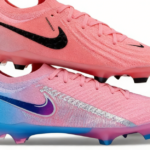
The Mercurial Vapor 16 arrives with a design philosophy that prioritizes minimalism without sacrificing sophistication. Nike has streamlined the upper, reducing the number of layers to create a more direct connection between foot and ball. The boot’s aesthetic is immediately recognizable as a Nike speed boots product—sharp, angular lines flow from the heel to the toe, often rendered in bold, high-visibility colorways that command attention on the pitch. Beneath the striking visuals, however, lies a host of material and construction updates that fundamentally alter how the boot feels and performs compared to its predecessor.
The most significant change in the Mercurial Vapor 16 is the introduction of the updated Nike Gripknit technology across the upper. Unlike previous versions that utilized a combination of textured synthetic materials and separate knit collars, the Vapor 16 integrates Gripknit into a one-piece construction that covers the entire forefoot and midfoot. This material is softer and more pliable than traditional synthetics, yet it features a proprietary adhesive texture that enhances ball control in both wet and dry conditions. When handling the boot for the first time, the Gripknit feels almost tacky to the touch—a characteristic that translates directly to improved grip when dribbling or receiving passes. The material is also remarkably thin, allowing for exceptional ball feel that rivals even premium leather boots.
In terms of fit, the Mercurial Vapor 16 continues to cater to players with narrow to medium foot profiles. The boot hugs the foot tightly through the midfoot and heel, thanks to a redesigned internal heel liner that locks the foot in place without requiring excessive lockdown pressure. The dynamic fit collar, a staple of Nike speed boots for several generations, has been refined to be lower-cut around the ankle, providing a balance between stability and freedom of movement. Players who found previous Mercurial models too restrictive around the Achilles may appreciate this adjustment. However, those with wider feet should exercise caution; while the Gripknit material offers some give over time, the Vapor 16 remains a narrow-fitting boot that may require a break-in period for broader foot shapes. Trying on the boot with match-day socks is strongly recommended, and players who typically wear a half-size up in other brands may find their standard size works best here due to the boot’s snug, performance-oriented fit.
When evaluating a boot that bears the Mercurial name, the ultimate test lies in how it performs during explosive movements—sprinting, cutting, and striking at full tilt. The Mercurial Vapor 16 does not disappoint in this regard. The boot’s weight is impressively low, hovering around 190 grams for a size 9 (UK), placing it among the lightest Nike speed boots on the market. This featherlight construction is immediately noticeable upon first sprint; the boot feels like an extension of the foot rather than a separate piece of equipment, allowing for rapid acceleration and minimal fatigue over the course of a match.
The soleplate of the Mercurial Vapor 16 has also received a significant overhaul. Nike has implemented a new Tri-Star stud configuration, which replaces the previous Chevron and blade hybrid pattern found on the Vapor 15. The Tri-Star studs are triangular in shape and strategically placed to provide multi-directional traction. During testing on firm natural grass, this configuration excels at delivering explosive forward traction while maintaining exceptional rotational freedom. When cutting or changing direction, the studs release from the turf cleanly, reducing the torque placed on the knees and ankles—a critical consideration for players prone to lateral movement injuries. On artificial grass surfaces, the Vapor 16’s FG soleplate performs adequately for occasional use, but players who primarily play on artificial turf would be better served by the Mercurial Vapor 16 Academy AG or a dedicated artificial grass variant, as the FG studs can create excessive pressure on synthetic surfaces over extended periods.
Ball feel is where the Mercurial Vapor 16 truly distinguishes itself from its predecessors. The combination of the ultra-thin Gripknit upper and the reduced internal padding creates an almost barefoot sensation when dribbling and receiving. Short passes feel crisp and direct, with the textured surface providing subtle grip that aids in spin control. For dribblers who rely on close ball manipulation, this boot offers a level of confidence that encourages taking on defenders. In shooting scenarios, the Vapor 16 delivers a clean strike with minimal energy loss. The forefoot area is devoid of excessive padding, allowing players to feel exactly where they are connecting with the ball. Power hitters may prefer a more cushioned strike zone, but for players who prioritize precision and finesse over raw power, the Vapor 16’s responsive upper is a significant asset.
One area that warrants consideration is durability, particularly for players who train and compete frequently on abrasive surfaces. The Gripknit material, while excellent for ball feel and control, is not as thick or abrasion-resistant as the textured synthetics used in previous Mercurial models. Over time, high-wear areas—particularly the toe box and medial forefoot—may show signs of scuffing and wear. For elite players who receive boots regularly, this is a non-issue, but for amateur players expecting a single pair to last an entire season, it is worth noting that the Mercurial Vapor 16 prioritizes performance and weight savings over long-term durability. Opting for the slightly heavier Mercurial Vapor 16 Pro or Academy tier may provide a better balance of performance and longevity for those who play multiple times per week.
The Mercurial Vapor 16 is not a boot designed for everyone, and understanding its target audience is essential to answering whether it is worth the investment. This boot is engineered for players who identify as speed merchants—wingers, overlapping full-backs, and strikers who rely on explosive acceleration, sharp changes of direction, and close ball control in tight spaces. As one of the premier Nike speed boots in the current lineup, the Vapor 16 rewards players with a refined touch who prioritize a minimalist, direct connection to the ball over additional padding or support. If your playing style is characterized by quick bursts, frequent cutting, and an emphasis on dribbling and finishing, this boot aligns perfectly with your needs.
Conversely, the Mercurial Vapor 16 may not be the ideal choice for certain players. Those who prioritize cushioning and impact protection—such as midfielders who engage in heavy physical duels or players with a history of metatarsal injuries—may find the thin upper lacking in protection. Similarly, players with wider feet or high insteps will likely struggle with the narrow fit, and exploring alternatives like the Nike Tiempo or New Balance Tekela may yield better comfort. For goalkeepers or center-backs who prioritize stability and protection over lightweight agility, the Vapor 16’s focus on speed may not align with positional demands.
At this price point, the boot competes directly with Adidas X Crazyfast, Puma Ultra Ultimate, and other elite speed boots. The question of whether it is “worth it” depends largely on how you weigh performance against durability and cost. For competitive players who play at a high level—whether in academy, college, or serious Sunday league—the Vapor 16 delivers elite-level performance features that translate to tangible on-pitch benefits. The Gripknit upper, Tri-Star soleplate, and ultra-lightweight construction represent genuine innovations that enhance speed and control in ways that lower-tier boots cannot replicate.
For the recreational player who plays once or twice a week and prioritizes longevity and value, the value proposition becomes more nuanced. While the Mercurial Vapor 16 unquestionably offers top-tier performance, the Academy and Pro tiers within the Mercurial lineup deliver many of the same design cues and performance characteristics at a fraction of the cost, with the added benefit of greater durability. The Mercurial Vapor 16 Academy, for instance, features a similar silhouette and soleplate with a slightly heavier upper and more robust construction, often retailing for around $120 USD—less than half the price of the Elite version. For players who are not squeezing every gram of weight savings from their equipment, these mid-tier options often represent the smarter investment.
Ultimately, the Mercurial Vapor 16 is a boot that excels at what it sets out to do: provide an uncompromising platform for speed and close control. It is a specialist tool, and for the player who fits its narrow, performance-driven profile, it is arguably one of the best Nike speed boots on the market. The refinements to the upper and soleplate address key weaknesses of previous generations while preserving the lightweight, explosive character that defines the Mercurial lineage. If your budget allows for the premium price tag and your foot shape aligns with the narrow fit, the Vapor 16 delivers a level of on-pitch responsiveness and ball feel that justifies the investment. For everyone else—particularly those with wider feet, those who play primarily on artificial surfaces, or those seeking maximum durability—exploring the Pro or Academy versions or considering alternatives may yield a better balance of performance, comfort, and long-term value.