Physical Address
304 North Cardinal St.
Dorchester Center, MA 02124
Physical Address
304 North Cardinal St.
Dorchester Center, MA 02124
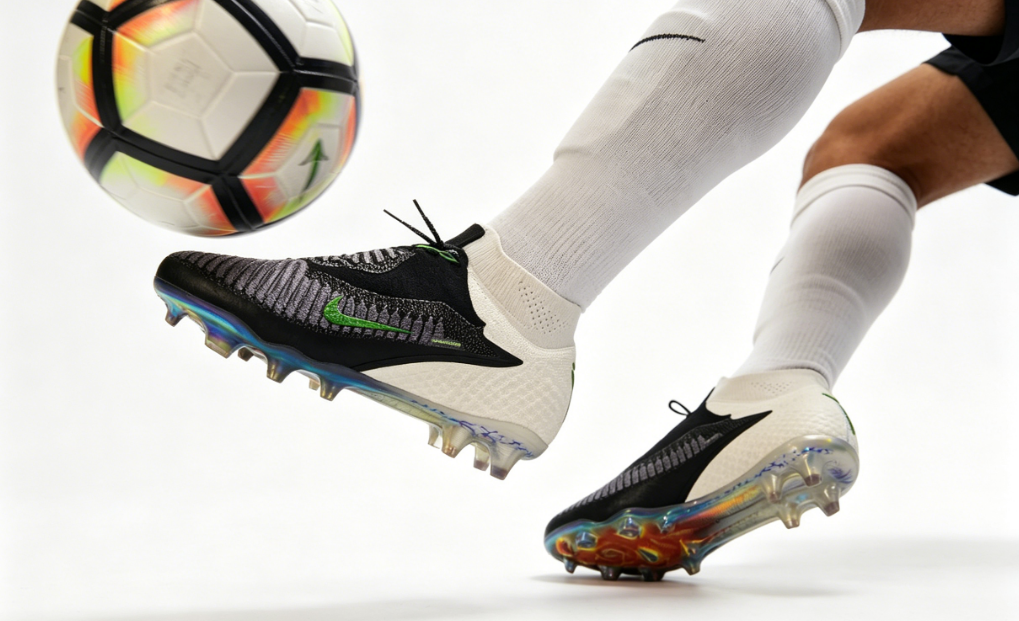
When searching for the best soccer shoes for speed, most players immediately look at weight. After testing several lightweight soccer cleats during sprint-focused training sessions, the difference becomes obvious within the first few runs. Shoes that reduce even a small amount of weight can noticeably improve acceleration, especially over short distances where explosive movement is critical.
In my experience using lightweight soccer cleats for wingers, the biggest advantage comes from how quickly the foot can transition from contact to push-off. Heavier boots tend to slow this transition slightly, which may not seem significant at first but becomes more noticeable during repeated sprints. Over a full match, this small delay can affect overall performance, particularly in high-intensity positions.
However, not all lightweight designs perform the same. Some prioritize minimalism to the point where support is compromised. During one training session, I tested an ultra-thin model that felt incredibly fast in straight-line sprints but lacked stability during quick lateral movements. This highlights the importance of balancing weight with structural support, especially for players who rely on agility as much as speed.
Another overlooked factor is how lightweight shoes affect fatigue. After playing back-to-back matches, I noticed that lighter models helped reduce leg strain, particularly in the later stages of the game. This makes them a strong choice for players looking for comfortable soccer cleats for long games without sacrificing performance.
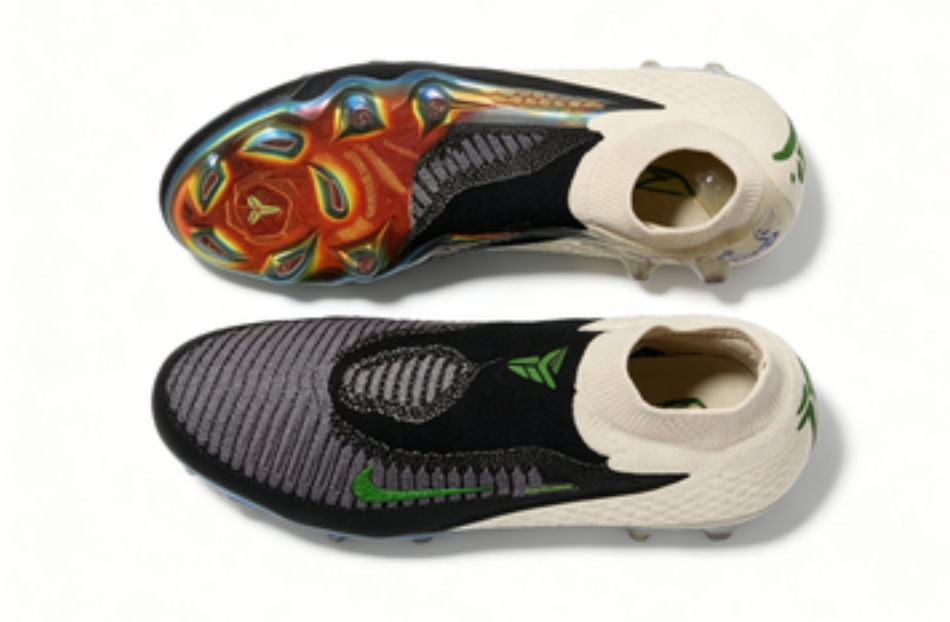
Traction is just as important as weight when it comes to speed. The stud pattern determines how effectively a player can transfer power into the ground. While researching the best soccer cleats for speed on firm ground, I found that bladed studs often provide more aggressive grip, which is ideal for quick acceleration.
During match play on natural grass, aggressive stud configurations allowed for sharper cuts and more confident directional changes. However, on slightly dry or uneven fields, these same studs sometimes felt too rigid, increasing pressure on certain parts of the foot. In contrast, conical studs offered smoother rotation, which can be beneficial for players who rely on quick turns rather than straight-line speed.
On artificial surfaces, choosing the best soccer shoes for artificial turf becomes even more critical. I once used firm ground cleats on turf during a full match, and the difference was immediately noticeable. The studs created excessive pressure and reduced stability, especially during fast pivots. Switching to turf-specific shoes improved comfort and allowed for more controlled movements.
Another key factor is stud placement. Shoes designed for speed often concentrate studs in areas that maximize forward propulsion. This design helps players generate more force during sprints, but it may feel slightly less stable for those who prioritize balance over speed. Understanding this trade-off is essential when selecting the right pair.
Fit plays a crucial role in how effectively nike soccer shoes perform, especially for speed-focused players. A snug, secure fit ensures that energy is transferred efficiently without any internal slipping. While testing different models marketed as the best soccer shoes for narrow feet, I found that tighter fits provided better responsiveness during quick movements.
At the same time, players with wider feet often struggle to find comfortable options. Searching for soccer cleats for wide feet can lead to models that offer more room in the toe box without compromising lockdown. In my experience, a slightly roomier forefoot combined with a secure midfoot provides the best balance between comfort and performance.
The upper material also influences fit and feel. Knit uppers tend to adapt more naturally to the shape of the foot, while synthetic materials offer a more structured fit. During high-intensity drills, knit designs felt more flexible, but synthetic uppers provided a more locked-in sensation, which can be beneficial for explosive movements.
Break-in time is another factor that should not be ignored. Some of the best lightweight soccer cleats feel game-ready immediately, while others require several sessions to reach optimal comfort. Rushing this process can lead to discomfort or even injury, so it is important to gradually adapt to new shoes before using them in competitive matches.
Ultimately, the best nike soccer shoes for speed are those that combine lightweight construction, effective traction, and a precise fit. By focusing on these elements and testing them in real playing conditions, players can find a pair that enhances both performance and confidence on the pitch.