Physical Address
304 North Cardinal St.
Dorchester Center, MA 02124
Physical Address
304 North Cardinal St.
Dorchester Center, MA 02124

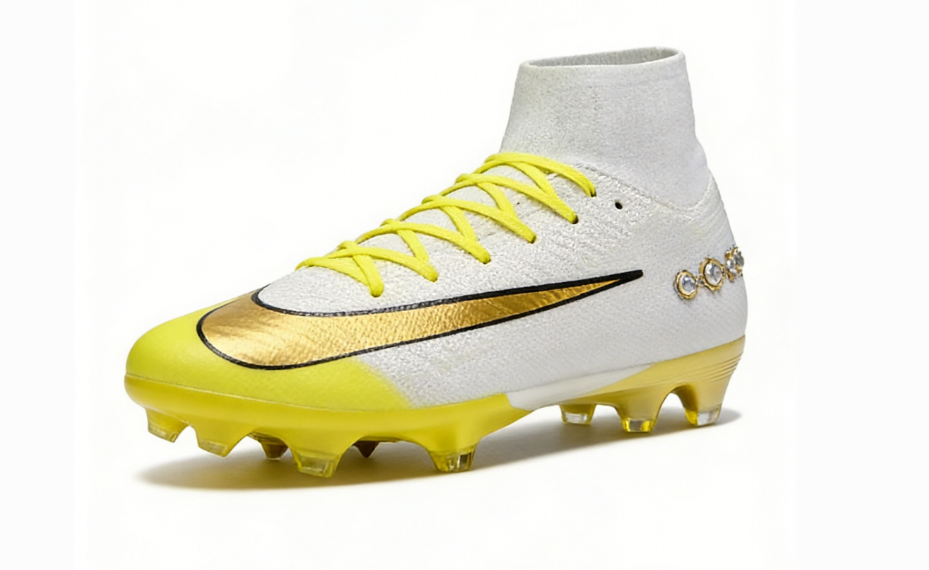
When it comes to football boots, sizing is never completely universal, and this is especially true for models from Nike. Many players who switch from other brands immediately notice that Nike soccer cleats tend to feel slightly different in both length and width. This is not a flaw, but a result of Nike’s design philosophy, which emphasizes a close, performance-oriented fit.
Nike boots are typically built to create a “second skin” sensation, meaning they wrap tightly around the foot to maximize responsiveness. This snug fit helps improve touch, acceleration, and stability, but it can also make the boots feel smaller than expected for first-time users. Players who are used to roomier footwear may initially think they need to size up, when in reality they may just need time to adjust.
Understanding this difference is the first step in choosing the correct size. Instead of focusing only on comfort when trying them on, it is important to consider how the boots will perform after they break in and adapt to your feet.
A properly fitted Nike soccer boot should feel snug across the entire foot without causing pain or restricting natural movement. The key areas to focus on are the toe box, midfoot, and heel.
In the toe box, your toes should lightly touch the front of the boot without being compressed. There should be minimal extra space, usually just a few millimeters. This close contact ensures better ball control and prevents your foot from sliding forward during quick movements.
The midfoot should feel secure and locked in place. Nike designs often use adaptive materials and structured uppers to hold the foot firmly, which helps with stability during sprints and directional changes. If the midfoot feels loose, the boot is likely too big.
The heel should remain stable with little to no slipping. Heel movement can lead to blisters and reduced performance, so it is important that the boot provides a secure hold in this area. When all three zones fit correctly, the boot will feel like an extension of your foot.
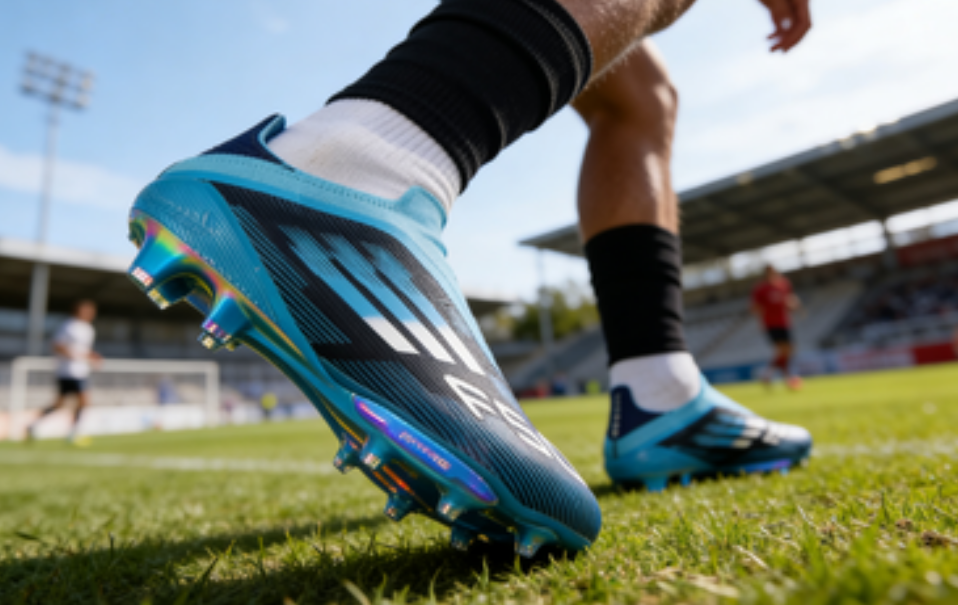
Nike soccer boots generally follow standard US sizing, but slight variations can occur depending on the model. Converting between US, UK, and EU sizes can help ensure accuracy, especially when ordering online.
For example, a US men’s size 10 typically corresponds to a UK size 9 and an EU size 44. However, relying solely on size charts is not always enough. Measuring your foot length in centimeters and comparing it to Nike’s official size guide is a more reliable method.
It is also important to measure both feet, as one foot is often slightly larger than the other. Always choose a size that accommodates the larger foot to avoid discomfort during play.
Not all Nike soccer cleats fit the same, even if they are the same size. Each boot line is designed with a specific purpose, and this affects how it fits on the foot.
Speed-focused models like Mercurial are known for their tight, narrow fit. These boots are designed to enhance responsiveness and reduce weight, making them ideal for players who rely on quick movements and acceleration. However, they may feel restrictive for players with wider feet.
Control-focused models like Phantom offer a slightly more accommodating fit, particularly in the forefoot. This makes them a better option for players who prioritize comfort and ball control over pure speed.
Tiempo models are typically the most forgiving in terms of fit. They often provide more room and a softer feel, making them suitable for players who prefer comfort and durability. Understanding these differences can help you choose the right size within each category.
One of the most common questions players ask is whether they should size up in Nike soccer boots. In most cases, staying true to size is the best option, especially if the boots are designed to stretch slightly over time.
Nike boots with synthetic uppers tend to maintain their shape, so the initial fit is a good indicator of long-term comfort. Knit or flexible materials may adapt slightly, creating a more customized fit after a few sessions.
Sizing up is usually only necessary for players with wider feet or those who prefer a more relaxed fit. However, going too large can reduce control and stability, which defeats the purpose of a performance-focused boot.
Many Nike soccer cleats require a short break-in period before they feel completely comfortable. During the first few uses, the boots may feel tighter than expected, but this is normal for performance footwear.
As the material softens and adapts to your foot shape, the fit becomes more natural. Players often report that after two or three sessions, the boots feel significantly more comfortable without losing their snug fit.
It is important not to judge the fit too quickly. Wearing the boots during light training sessions before using them in matches can help speed up the break-in process and ensure optimal comfort.
Even with the right size, some players may experience minor fit issues. Tightness in the forefoot is common with speed boots, especially for players with wider feet. In this case, choosing a different model or allowing more time for break-in may help.
Heel slippage is another common issue, often caused by incorrect sizing or lacing technique. Adjusting the laces or using grip socks can improve heel stability.
Pressure points can also occur if the boot does not match your foot shape. Identifying these areas early and making adjustments can prevent discomfort during matches.
Socks play a larger role in boot fit than many players realize. Football socks are typically thicker than regular socks, and they can affect how the boot feels on your foot.
When trying on Nike soccer boots, it is important to wear the same type of socks you plan to use during matches. This ensures a more accurate fit and prevents surprises on game day.
Some players also use grip socks to improve stability and reduce slipping inside the boot. These can slightly change the fit, so they should be considered when choosing a size.
Wearing the correct size in Nike soccer boots can significantly improve performance. A snug fit allows for better energy transfer during sprints, more precise ball control, and greater confidence in movement.
Players who wear properly fitted boots often feel more connected to the ball, which improves their overall game. They can make quicker decisions and execute them more effectively, knowing that their footwear will respond as expected.
On the other hand, poorly fitted boots can lead to reduced performance and increased fatigue. Extra movement inside the boot requires additional effort, which can affect endurance over the course of a match.
Choosing the right size in Nike soccer cleats requires careful consideration of fit, material, and playing style. Always measure your feet accurately, try on boots with proper socks, and allow time for break-in.
Pay attention to how the boot feels in key areas such as the toe box, midfoot, and heel. A well-fitted boot should feel snug, secure, and comfortable without causing pain.
Taking the time to find the perfect fit will not only improve your comfort but also enhance your performance on the pitch.